How a Landlord Profits Using a PPA When Installing Solar
Home / How a Landlord Profits Using a PPA When Installing Solar
How a Landlord Profits Using a PPA When Installing Solar
Learn how a landlord profits using a PPA when installing solar panels.
Profit from installing clean renewable energy in your multifamily buildings and single-family homes using a PPA.
KEY TAKEAWAYS
- Discover the ways a Solar PPA saves you money with your electrical bills.
- Avoid costly purchasing, installation, maintenance, and repairs when buying a solar panel system.
- A Solar PPA is a long-term leasing agreement between you and the solar energy system developer.
- The developer pays for the purchase, installation, maintenance, and repairs of the solar panels.
- Solar PPAs offer lower electricity costs than what your current utility company charges based on actual kWh usage.
- Your tenants will enjoy paying lower electrical bills which will attract more tenants.
- Your rental properties will contribute toward green energy while lowering electrical usage costs.
.
Here’s How a Landlord Profits Using a PPA When Installing Solar
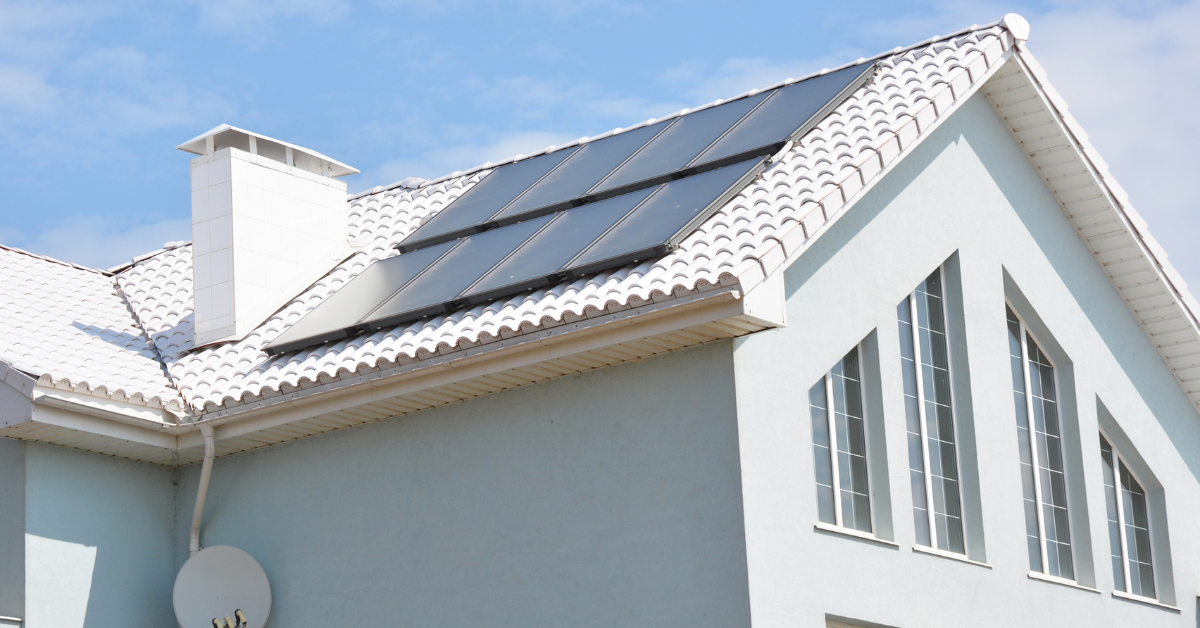
Green energy is the rave across America to lower electricity costs. Installing solar panels conserves energy and helps the environment by capturing the natural sun to produce energy.
Using a Purchase Power Agreement (PPA) saves landlords from $20,000 up to $50,000 installing a solar system. Or, using a lease system to install solar panels that places a lien on the property while interest rates add up.
The PPA allows free solar panels installation while paying for the energy it produces at a lower rate than the power companies.
PPAs work best for landlords who want to:
- Reduce energy costs;
- Produce clean energy;
- Hedge against energy price increases; and
- Let a third party install, own, and maintain a solar system.
According to a federal government report, a PPA allows customers to purchase solar energy for no money down and see immediate energy savings.
PPAs Legal in California?
Yes, because the State of California enacted a law in 2008 known as AB 2863 that exempted solar generation owners from state regulations of “electrical corporations”.
The Governor of California signed the AB 2863 bill into law in 2008. Since then, third-party owners of solar generation equipment can sell electricity to residential utility customers.
Your Tenants Will Love Solar Panels
Electricity costs keep rising causing stress to tenants worried about rising energy bills. Applicants will become pleased that their electricity costs are less in your buildings.
That’s because you can lock in lower kilowatt rates not contingent upon the time of use and other distribution fees that utility companies charge.
During heat waves, tenants can turn on the AC to higher levels while affording the cost for greater comfort.
Another benefit of using a solar system is installing a backup system battery to prevent power loss during blackouts and catastrophes. This gives your tenants extra security and peace of mind.
Extra Benefits for Landlords Using PPA
You can charge more rent as a trade-off for offering lower utility rates. Or, even higher rent for including free electricity with the rental.
Also, landlords can benefit by adding electrical equipment services to tenants for a fee. Here are extra features you can add for tenants on a pay-for-use basis:
- Install Electric Car charging stations for tenants to pay via coin-operated or credit card machines. Electric cars are the future;
- Laundry room with coin-operated or credit card machines for electrical washing machines and dryers; and
- Night lights with coin-operated or credit card machines for tennis and basketball courts.
Since the cost of electricity is greatly reduced, these machines add extra profits for landlords.
How Does A Solar Power Purchase Agreement (PPA) Work?
The Solar PPA is a financial agreement where the third-party owner of solar generation equipment (developer) design, get government permits, finance, and install the solar panels.
Then, the developer sells the generated power to you at a fixed rate normally less than the local utility’s rate. The less electrical price offsets the purchase of the grid’s electricity. The developer profits by selling electricity and government tax credits for green energy.
PPAs normally last 10 to 25 years while the developer pays for the maintenance and operation of the system during the agreement’s duration. When the PPAs contract terminates:
- You can extend the PPA; or
- Get the developer to remove the solar panels; or
- Buy them from the developer.
What Are The Benefits of a PPA For Landlords Installing Solar?
Here are 6 benefits to landlords who install a solar system using a PPA:
- Low or no upfront costs – The developer pays the costs for sizing, obtaining, and installing the solar panel system.
- Start saving on electrical costs ASAP – With little or no upfront investment, you can adapt to solar and start saving on electrical costs when the system begins operating.
- Lower energy costs – The Solar PPA gives you a predictable, fixed, electricity cost during the agreement’s life structured in two ways. Fixed Price Plan keeps a constant price during the PPSs term even if utility prices rise. Fixed Escalator Plan lets you pay from 2% to 5% cost rises at a set rate often lower than utility price increases.
- Limited risks – The developer assumes full responsibility for operating risks and system performance.
- Tax credits leverage – Developers use the tax credits to reduce costs. For instance, some public entities like municipality hosts who do not qualify can’t take advantage of Section 48 Investment Tax Credits because they don’t earn taxable income.
- Property value potential increase – Solar PV systems often increase residential property values. PPAs can transfer to new property owners which increases value.
What’s The Difference Between A Solar Lease and a PPA?
You probably heard of solar leases. This is a different solar power financing method than a PPA.
Like leasing a car, you don’t own the solar panel system. Instead, you pay the developer to install solar panels on your roof and pay a monthly lease payment.
You use the solar energy you produce to offset your utility bill using net metering. You pay a monthly fee lower than your electricity bill in return for the solar energy produced. Learn about the net and sub-metering of your rental property in our article “How to Sub-Meter a Rental Property in California”.
While a PPA and a solar lease seem similar, they differ.
Solar Lease
You pay a flat monthly leasing fee with a solar lease.
PPA
The solar PPA works like an electricity bill. You only pay for every kilowatt hour (kWh) of solar energy you use. Thus, instead of a flat monthly fee, your electricity bill fluctuates based on how much kWh you use which is typically lower than your normal utility costs.
How much do you save?
It depends on your location, the developer’s fee, and the normal price of electricity charged by your utility company.
Which is Better, Solar PPA or Solar Lease?
Comparing a Solar PPA with a Solar Lease comes down to paying for actual usage or a set monthly fee.
A solar PPA has the potential to save you more money over the life of your contract depending on how much solar energy your panels produce.
The PPA payment system follows the same method used by your current utility provider. It’s based on precise electrical usage.
Otherwise, the solar lease payments are the same every month no matter how little your electrical use.
So, does your monthly electrical bill remains the same year-round or fluctuates during hot summers and colder winters? This should determine which system is better for you.
Do you prefer the same monthly payments year-round or a system based on actual usage?
How a Landlord Profits Using a PPA When Installing Solar – Conclusion
As you just read, how a landlord profits using a PPA when installing solar panels is based on paying lower kWh usage rates. Over the lifetime of your PPA long-term lease agreement, you can expect to save money.
Paying cheaper electricity rates than the normal grid energy can “significantly reduce your energy costs”. Also, a PPA locks in your rates to protect you when the cost of energy rises.
In addition, you can attract more tenants by offering lower electricity bills. Plus, it allows you to install Electric Car charging stations for your tenants as an option. Think of other low-cost electrical use features you can provide your tenants!
Do You Need Professional Property Management Services in San Diego?
WeLease Property Management Company not only helps housing investors and landlords by posting blogs showing how to save money. We help you by handling all landlord functions from advertising and screening tenants to signing them up and keeping them happy.
WeLease offers our complete property management services for all types of rentals throughout San Diego County. No matter if you own single-family home rentals, condos, townhouses, or large apartment complexes, we can handle any of them.
Contact us today if you are thinking of investing in housing rentals in the greater San Diego area or a landlord tired of self-managing rentals.
Steven Rich, MBA – Guest Blogger
HAVE ANY QUESTIONS?
Let us know, we’d love to help:
Call: (619) 787 – 4066
or Click: www.WeLeaseUsa.com/contact
WeLease Property Management Company
Reviewed and Approved by Billy Colestock & Yesenia Nogales
WeLease Co-Founders & Licensed REALTORS®
This article was written by a WeLease Guest Blogger and reviewed by industry experts Billy Colestock (DRE# 01771188) and Yesenia Nogales (DRE# 01487100), Co-Founders of WeLease Property Management. Both are licensed REALTORS® and active members of the National Association of REALTORS®, California Association of REALTORS®, and San Diego Association of REALTORS®, where they are regularly invited to educate the real estate community on proactive property management, legal compliance, and rental best practices. Every article reviewed reflects WeLease’s ongoing commitment to quality, accuracy, and trusted guidance for homeowners and investors. WeLease Credentials: NARPM® Member, BBB Accredited, MLS Participant, Equal Housing Opportunity. Recognized as San Diego’s Best Property Management Company – Union-Tribune Winner (2022, 2024); Finalist (2023, 2025). DRE: 02047533